New Mexico short-term rental laws (2026)
New Mexico hands lodging taxes to its cities and counties. A city taxes stays inside its limits, while a county taxes only the land outside them. Each must license every vendor that furnishes lodging.[1]
Every rule below links to the official source it comes from, verified October 1, 2026.
Is Airbnb legal in New Mexico?
Legal, with local permits
Any permit comes from local government. At the state level, platforms pay gross receipts tax on every stay booked through them.
7 official sources · verified October 1, 2026
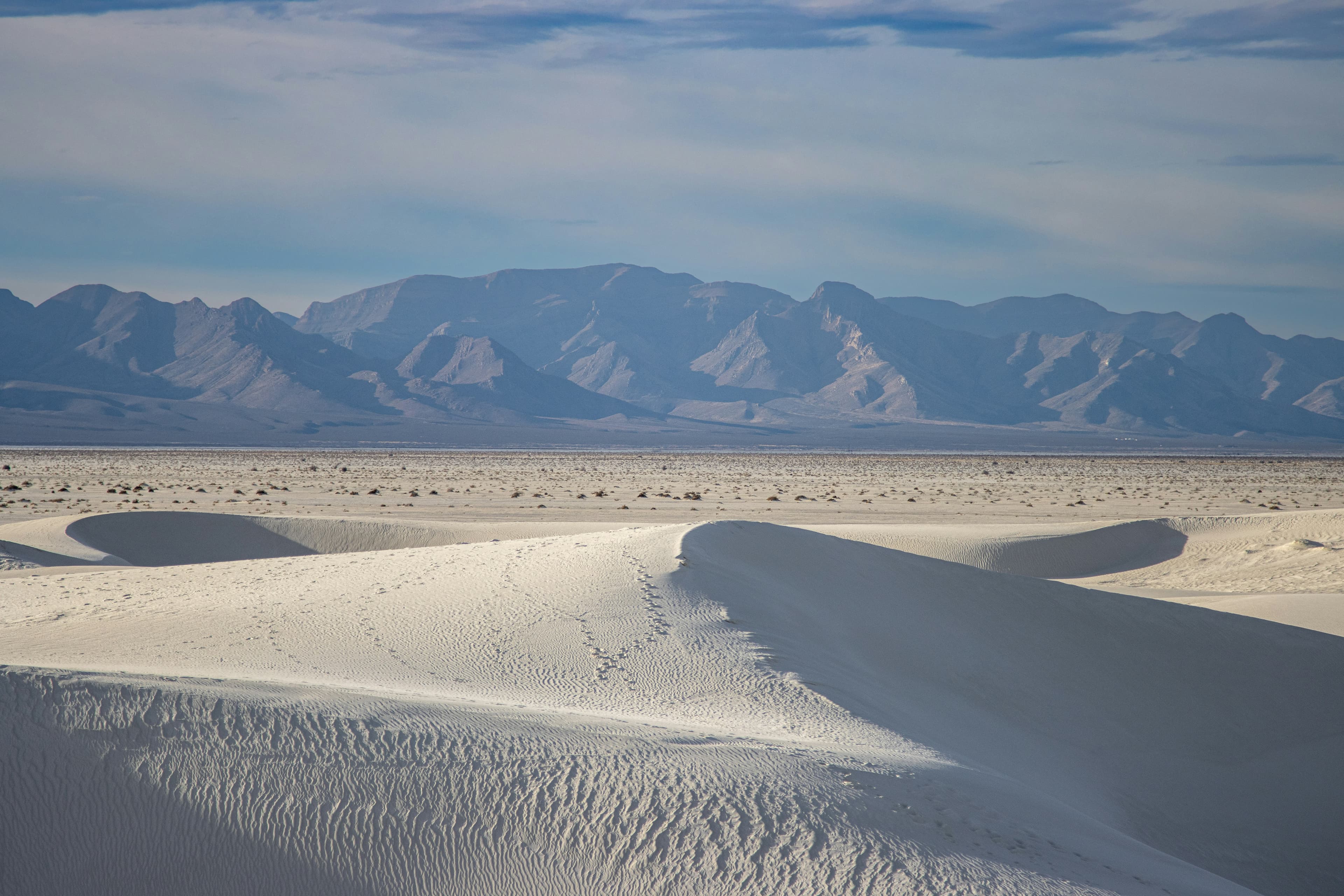
Photo: Caleb Jack on Unsplash
- PermitNot required · State tax ID only, permits are local
- Primary residenceVaries
- Number on listingNot required
- Night capNone in state law
New Mexico short-term rental laws
New Mexico short-term rental laws work in two layers. The state layer is tax. A host registers for a free Business Tax ID, and booking platforms owe gross receipts tax on each stay they handle. That rate is set where the home sits, with a state share of 4.875% for July 1, 2026 through June 30, 2027. The local layer covers permits and lodging tax. Santa Fe caps residential permits at 1,000, and Albuquerque charges $120 for a first permit. Under the Lodgers' Tax Act, a city or county occupancy tax stops at 5% of rent.[2]
Every New Mexico rule, sorted by what it asks
Filter by topic. Each line carries the number of its official source, listed at the bottom of the page.
You must
- Register for a New Mexico Business Tax ID, which is free[4]
- Report rental receipts for gross receipts tax, then deduct what a platform paid[2]
- Get the vendor license required by the local occupancy tax ordinance[1]
- Charge the occupancy tax separately from the rent[1]
- Check local permit rules, such as Santa Fe's 1,000-permit cap[5]
You must not
Cities in this state
Short-term rental rules in 5 New Mexico cities
Ranked by the share of housing the Census counts as seasonal.
| City | Local rule | Primary residence | Night cap | Seasonal homes per 1,000 |
|---|---|---|---|---|
| Angel Fire short-term rental rulesColfax County, NM | Permit required | Not published | None published by the village | 714 |
| Cloudcroft short-term rental rulesOtero County, NM | No city ordinance | Not published | None published by the village | 606 |
| Ruidoso short-term rental rulesLincoln County, NM | Permit required | Not published | None published by the village | 435 |
| Santa Fe short-term rental rulesSanta Fe County, NM | Capped | Not published | One rental per seven days, 44 rentals a year | 44 |
| Albuquerque short-term rental rulesBernalillo County, NM | Permit required | Not published | None published by the city | 6 |
Five jurisdictions, same questions
The New Mexico column comes from the official sources on this page. The other columns show the headline rule from each WonderGuest page. Open a page for the full detail.
| Question | New Mexico | Texas | Arizona | Colorado | Utah |
|---|---|---|---|---|---|
| Permit | Not requiredState tax ID only, permits are local | Not requiredNone issued by the state | RequiredLocal permit where the city has one, $250 at most | RequiredLocal license where your county or town has one | Not requiredNone from the state. Cities issue their own |
| Primary residence | Varies | Not required | Varies | Varies | Varies |
| Night cap | None in state law | None published by the state | None the statute allows a city to set | A local option, where adopted | None in state law |
| Number on listing | Not required | Not required | Required | Not required | Not required |
| Where allowed | Where the local ordinance allows it | Under the city's own regulations | Everywhere: a ban is preempted | Set by local rules, bans included | Where the city's zoning allows it |
| Occupancy tax | Local, up to 5% of rent | 6% state, plus a local rate | Transient lodging tax under 30 nights | 2.9% state sales tax, plus local taxes | 1.07% state room tax, plus sales tax |
| Fine without permit | Set locally, $500 a day in Albuquerque | None set by the state | Up to $1,000 a month | Listing removed within 7 days of a county notice | Set by each city |
| Texas short-term rental rules | Arizona short-term rental rules | Colorado short-term rental rules | Utah short-term rental rules |
Coming up
What's changing
No change with an effective date appears in the official sources on this page as of October 1, 2026.
FAQ
New Mexico short-term rental questions
Do I need a state license for a short-term rental in New Mexico?
Does Airbnb pay New Mexico gross receipts tax for hosts?
How much lodgers' tax can a New Mexico city charge?
Why is the lodging tax 7% in Santa Fe?
What is the gross receipts tax rate on a New Mexico rental?
Sources
- NMSA 1978, Sections 3-38-13 to 3-38-25, Lodgers' Tax Act, New Mexico Compilation Commission, read on October 1, 2026
- Bulletin B-200.37, Marketplace Providers and the Sale of Lodgings or Accommodations (rev. June 2024), New Mexico Taxation and Revenue Department, read on October 1, 2026
- Gross Receipts and Compensating Tax Rate Schedule, July 1, 2026 through June 30, 2027, New Mexico Taxation and Revenue Department, read on October 1, 2026
- Who must register a business?, New Mexico Taxation and Revenue Department, read on October 1, 2026
- Short-Term Rental Unit Ordinance, Subsection 14-6.2(A)(5) SFCC 1987, City of Santa Fe, read on October 1, 2026
- Frequently Asked Questions, Lodger's Tax (updated February 2026), City of Santa Fe, read on October 1, 2026
- Code of Ordinances, Chapter 13, Article 19: Short Term Rentals, City of Albuquerque, read on October 1, 2026
This page is not legal advice. It summarizes the official sources listed on this page as they read on October 1, 2026. Rules can change after that date, so check with the issuing office before you apply or publish a listing.
Before you list
Free tools for new hosts
Short-term rental agreement generator
Parties, dates, rent, deposit checked against your state's cap, and the house rules clauses you enforce. A signed-ready PDF for direct and Vrbo bookings.
Airbnb host fee calculator
What Airbnb takes on a booking under the 15.5% host-only fee or the old split fee, what the guest pays on top, and the payout that reaches you.
Airbnb house rules
Generate a complete PDF house rules document for your property: rules, schedule, amenities, emergency contacts.
Check-in instructions
The message a guest reads before getting in: access, keys, WiFi, parking, contact. English or bilingual output.