Massachusetts short-term rental laws (2026)
The state registers each Massachusetts short-term rental for tax, and local governments may add their own license. The Department of Revenue certificate for a property is posted inside the home. Even a home rented 14 days or less a year registers. Declaring that limit spares it the tax.[1]
Every rule below links to the official source it comes from, verified October 1, 2026.
Is Airbnb legal in Massachusetts?
State certificate, local rules
Every property is registered with the Department of Revenue. Local rules may add a license and day limits.
6 official sources · verified October 1, 2026
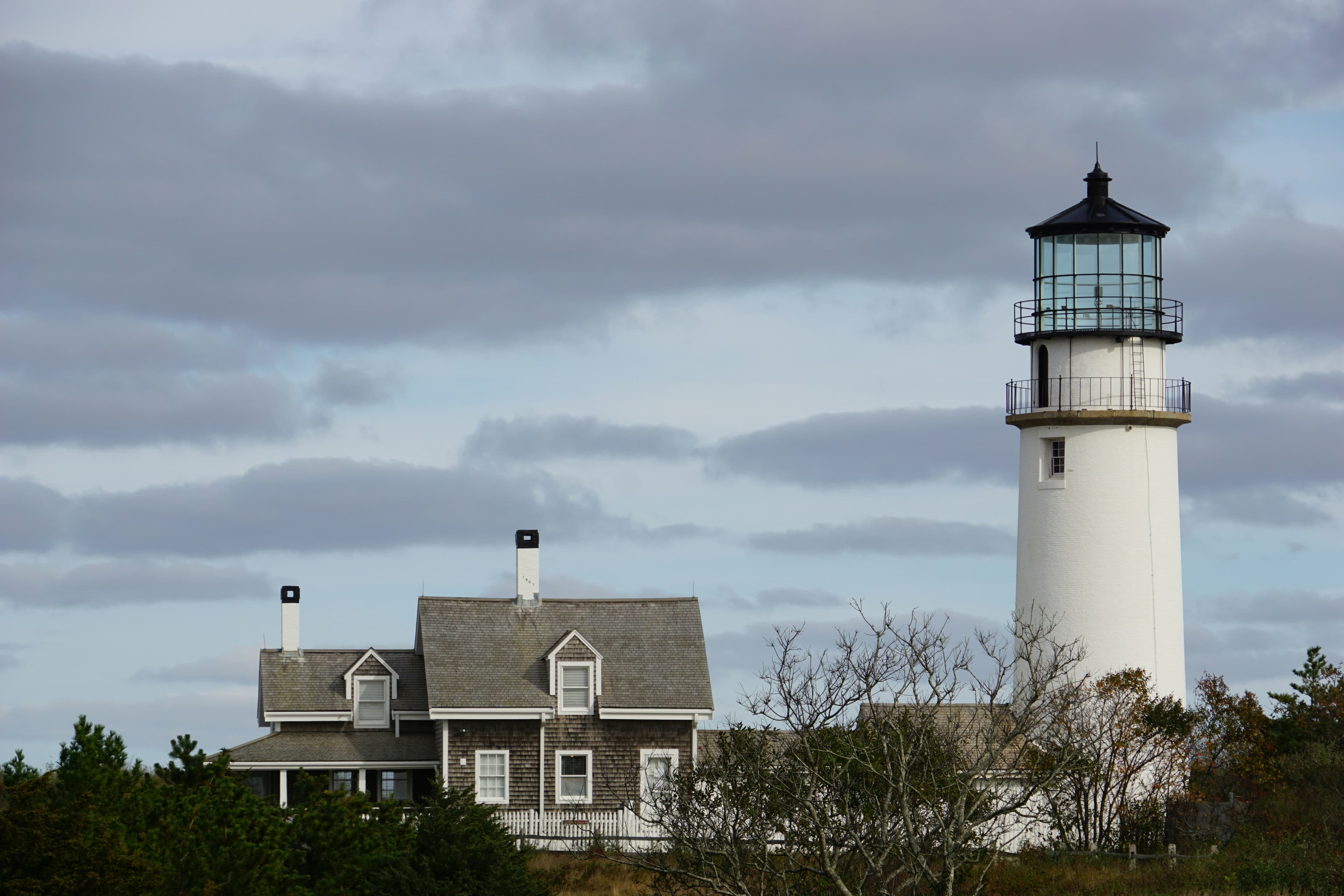
Photo: Nick Wilson on Unsplash
- PermitRequired · State certificate for each property, no fee listed
- Primary residenceVaries
- Number on listingNot required
- Night capNone in state law, cities may set one
Massachusetts short-term rental laws
Both the state and the municipality regulate a Massachusetts short-term rental. The Department of Revenue registers each operator and issues a certificate for every property. Stays of 31 days or less carry the 5.7% state room occupancy excise. Each municipality may add a local excise of up to 6%, or 6.5% in Boston. Under chapter 64G, local governments can also license operators, cap their number and limit rental days. Every rental in the state needs at least $1,000,000 in liability insurance, unless the platform carries equal coverage.[1]
Every Massachusetts rule, sorted by what it asks
Filter by topic. Each line carries the number of its official source, listed at the bottom of the page.
You must
- Register each property with the Department of Revenue and post its certificate inside[1]
- Give the certificate number to every platform or agent that collects your rent[1]
- Carry $1,000,000 in liability insurance, unless the platform's coverage is equal or greater[4]
- Tell your home insurer the property is a short-term rental[4]
- Post a fire safety notice inside the unit, whatever the local rules say[3]
- Collect state and local excise on every stay up to 31 days[1]
You must not
Cities in this state
Short-term rental rules in 3 Massachusetts cities
Ranked by the share of housing the Census counts as seasonal.
| City | Local rule | Primary residence | Night cap | Seasonal homes per 1,000 |
|---|---|---|---|---|
| Barnstable short-term rental rulesBarnstable County, MA | Registration required | Not published | None published by the town | 194 |
| Cambridge short-term rental rulesMiddlesex County, MA | Registration required | Required | None: Section 4.60 limits bedrooms and units, not nights | 23 |
| Boston short-term rental rulesSuffolk County, MA | Registration required | Required | None: each unit type may be offered 365 days a year | 15 |
How to apply in Massachusetts
Official name: Certificate of Registration, Massachusetts Department of Revenue
- 1
In MassTaxConnect, log in or sign up. Then add the Room Occupancy Consolidated account type.[1]
- 2
Enter each property you rent. The system issues one registration certificate per property.[1]
- 3
Post the certificate in the home. Its number goes to every platform or agent that collects your rent.[1]
- 4
Check with your municipality, which may run its own registration or license.[1]
Five jurisdictions, same questions
The Massachusetts column comes from the official sources on this page. The other columns show the headline rule from each WonderGuest page. Open a page for the full detail.
| Question | Massachusetts | New York | Florida | Hawaii | Tennessee |
|---|---|---|---|---|---|
| Permit | RequiredState certificate for each property, no fee listed | RequiredCounty registration, valid 2 years | RequiredState license, $170 a year | RequiredState GET and TAT licenses | RequiredCity permit where one exists |
| Primary residence | Varies | Varies | Not required | Varies | Varies |
| Night cap | None in state law, cities may set one | No limit in state law | None published by the state | No state cap, county rules vary | None. Under 30 nights is the definition |
| Number on listing | Not required | Required | Not required | Required | Not required |
| Where allowed | Where the city or town allows it | Where your municipality permits it | No local bans after June 1, 2011 | Set by each county | City zoning decides, legacy status aside |
| Occupancy tax | 5.7% state, plus local excises and fees | 4% state sales tax plus local rates | 6% state tax, Airbnb collects | 11% state TAT plus county TAT | City tax up to 4%, 8% with the county |
| Fine without permit | Set by each city or town | Two warnings, then up to $200 | Second-degree misdemeanor | $500 fine, $2,000 if cash-based | Use suspended while unpermitted |
| New York short-term rental rules | Florida short-term rental rules | Hawaii short-term rental rules | Tennessee short-term rental rules |
Coming up
What's changing
No change with an effective date appears in the official sources on this page as of October 1, 2026.
FAQ
Massachusetts short-term rental questions
Do I have to register a short-term rental in Massachusetts?
What tax applies to a Massachusetts short-term rental?
Can a Massachusetts town limit short-term rentals?
What insurance does a Massachusetts short-term rental need?
How many Massachusetts towns charge the community impact fee?
Sources
- Room Occupancy Excise Tax (updated April 8, 2026), Massachusetts Department of Revenue, read on October 1, 2026
- TIR 19-3: Changes to the Room Occupancy Excise in An Act Regulating and Insuring Short-Term Rentals, Massachusetts Department of Revenue, read on October 1, 2026
- General Laws chapter 64G, section 14, local regulation of operators, Massachusetts Legislature, read on October 1, 2026
- Short-Term Rental Insurance, Massachusetts Division of Insurance, read on October 1, 2026
- Public Registry of Lodging Operators, Massachusetts Executive Office of Economic Development and Department of Revenue, read on October 1, 2026
- Room Occupancy Tax and Short-term Rental Community Impact Fee, local options data, Massachusetts Department of Revenue, Division of Local Services, read on October 1, 2026
This page is not legal advice. It summarizes the official sources listed on this page as they read on October 1, 2026. Rules can change after that date, so check with the issuing office before you apply or publish a listing.
Before you list
Free tools for new hosts
Short-term rental agreement generator
Parties, dates, rent, deposit checked against your state's cap, and the house rules clauses you enforce. A signed-ready PDF for direct and Vrbo bookings.
Airbnb host fee calculator
What Airbnb takes on a booking under the 15.5% host-only fee or the old split fee, what the guest pays on top, and the payout that reaches you.
Airbnb house rules
Generate a complete PDF house rules document for your property: rules, schedule, amenities, emergency contacts.
Check-in instructions
The message a guest reads before getting in: access, keys, WiFi, parking, contact. English or bilingual output.